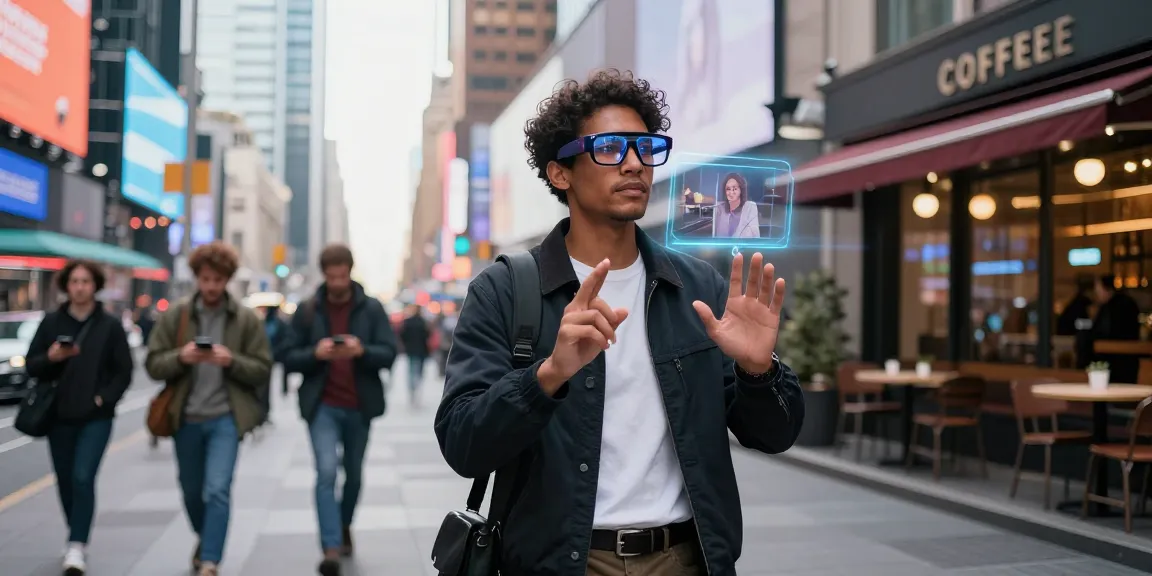
Understanding Smart Glasses: A Comprehensive Overview
As technology continues to evolve, the arrival of smart glasses has marked a significant milestone in wearable tech, merging utility with innovation. Smart glasses revolutionize how we interact with the digital world, offering a blend of augmented reality (AR) and real-world functionality. For those interested in exploring the latest advancements and options available, smart glasses provide comprehensive insights into this emerging field.
What are Smart Glasses?
Smart glasses are advanced eyewear that integrates technology, allowing users to access digital information and applications directly in their line of sight. Unlike traditional glasses that solely correct vision or protect the eyes, smart glasses can feature displays, cameras, microphones, and speakers. This technology allows for a wide range of functionalities, from navigation to notifications, making them a valuable tool for everyday life.
Key Features of Smart Glasses
- Display Technology: Many smart glasses incorporate micro-displays that overlay digital information onto the real world, such as navigation prompts or messages.
- Camera Functionality: Built-in cameras enable users to capture images and videos hands-free, which can be essential for various applications, including documentation and streaming.
- Audio Output: Smart glasses often feature speakers or bone conduction technology, allowing users to receive audio notifications or listen to music without traditional headphones.
- Connectivity: These devices can connect to smartphones and the internet, facilitating seamless access to a variety of apps and functionalities.
Evolution of Smart Glasses Technology
The concept of smart glasses is not new, but advancements in technology have propelled their development into the public eye. Early iterations were bulky and limited in functionality, primarily focusing on niche applications. However, with significant advancements in optics, battery life, and connectivity, modern smart glasses are becoming more versatile and user-friendly. Companies like Google, Meta, and Apple are competing in this space, promising exciting features and enhanced usability.
Benefits of Using Smart Glasses in Everyday Life
Enhanced Connectivity and Communication
Smart glasses enhance connectivity by providing notifications directly in the wearer’s field of vision. This allows users to stay connected without constantly checking their phones, which is particularly beneficial during meetings or while driving. Additionally, voice commands and integrated microphones facilitate hands-free communication, making everyday tasks more efficient.
Augmented Reality Experiences
AR capabilities of smart glasses can significantly enrich user experiences. For instance, navigation apps can overlay directions on a live view of the surroundings, helping users find their way without the need to look down at a phone. In retail, smart glasses can provide information about products by simply looking at them, thus enhancing the shopping experience.
Health and Fitness Tracking Capabilities
Many smart glasses are integrated with health and fitness tracking features, enabling users to monitor their physical activity, heart rate, and other health metrics in real time. This functionality can encourage a more active lifestyle, as users receive immediate feedback on their performance and progress.
Top Smart Glasses on the Market for 2026
Leading Brands and Models
As of 2026, several brands lead the smart glasses market, offering various models tailored to different user needs:
- Ray-Ban Meta: A stylish option that seamlessly merges fashion with technology, providing users with basic smart features like notifications and media controls.
- Xreal Beam: Known for its high-quality augmented reality features, this model is ideal for gamers and AR enthusiasts.
- Google Glass Explorer Edition: Updated with improved specs, it’s targeted at enterprise users with applications in manufacturing and logistics.
- Vuzix Blade: A robust choice for business applications, offering extensive connectivity options and a user-friendly interface.
Comparative Reviews and Performance Metrics
When assessing these smart glasses, it is crucial to consider factors like battery life, display quality, and comfort. Comparative reviews reveal that while some models excel in AR capabilities, others may fall short in battery longevity or weight comfort. It’s essential for potential buyers to evaluate their specific needs and preferences to find the best fit.
Price Ranges and Value for Money
Smart glasses come in various price ranges, typically falling between $200 and $1,500, depending on the features. Entry-level models offer basic smart capabilities, while high-end options provide advanced functionalities and superior build quality. Understanding the value for money based on individual usage will help consumers make informed purchasing decisions.
Challenges and Considerations in Smart Glasses Adoption
Common Misconceptions about Smart Glasses
Despite their increasing popularity, several misconceptions about smart glasses persist. Some people believe they are only for tech enthusiasts or industry professionals, while in reality, there are models designed for everyday consumers. Additionally, concerns about their appearance often deter potential users, but brands are increasingly focusing on aesthetics without sacrificing functionality.
Privacy Concerns and Data Security
Privacy remains a significant concern with smart glasses, especially those equipped with cameras. Users need to be aware of the data being collected and how it is stored and shared. Manufacturers are implementing enhanced security measures to protect user data, but consumers should stay informed about privacy policies and opt for brands known for their commitment to data security.
Accessibility and Usability Issues
Another challenge is ensuring accessibility for all users, including those with visual impairments or other disabilities. As smart glasses technology advances, it must be inclusive, with features designed for broader usability. Manufacturers are encouraged to consider a variety of user needs during development to promote adoption across diverse demographics.
The Future of Smart Glasses: Trends and Innovations
Upcoming Technologies and Features
The future of smart glasses is bright, with several exciting innovations on the horizon. Future models may include advanced AI capabilities for personalized experiences, improved battery technology for longer wear time, and enhanced AR overlays that integrate seamlessly into daily activities. Collaborative features could also be on the rise, enabling users to share experiences with others in real-time.
The Role of AI in Smart Glasses
AI is set to play a pivotal role in the evolution of smart glasses. From personalized health monitoring systems to predictive analytics for optimizing user experiences, the integration of AI can transform how users interact with technology. Smart assistants could help manage daily tasks, provide reminders, and enhance overall productivity.
Predictions for 2026 and Beyond
Looking ahead, experts predict that smart glasses will become more integrated into our daily lives. With growing trends in remote work and digital connectivity, the demand for smart glasses capable of enhancing our interactions with both the physical and digital worlds will likely surge. This will catalyze further innovation in design and functionality, ensuring that smart glasses become a staple in both personal and professional spheres.
What are the best smart glasses available today?
The best smart glasses vary based on user needs, but brands like Ray-Ban Meta and Xreal Beam are currently leading the pack. Evaluating personal priorities, whether style, functionality, or price, will help users identify the best option for their lifestyle.
How do smart glasses enhance productivity?
Smart glasses enhance productivity by delivering notifications directly to the user, enabling hands-free communication, and providing instant access to information and tasks without switching devices. This seamless integration into daily routines can significantly streamline workflows.
What privacy measures should users consider?
Users should be aware of how their data is collected and used. Opting for smart glasses from manufacturers with clear, robust privacy policies and built-in security features is crucial for ensuring data protection.
Are smart glasses worth the investment?
For enthusiasts and professionals alike, smart glasses can be a worthwhile investment, providing numerous functionalities that enhance daily life and work. However, potential buyers should assess their personal needs and the specific features offered by different models to determine if the investment aligns with their lifestyle.
What future trends should we expect in smart glasses technology?
We can expect trends focused on enhanced AI integration, better connectivity with other devices, and ongoing improvements in AR functionalities. Advancements in battery technologies will also facilitate longer usage times, making smart glasses more viable for everyday use.