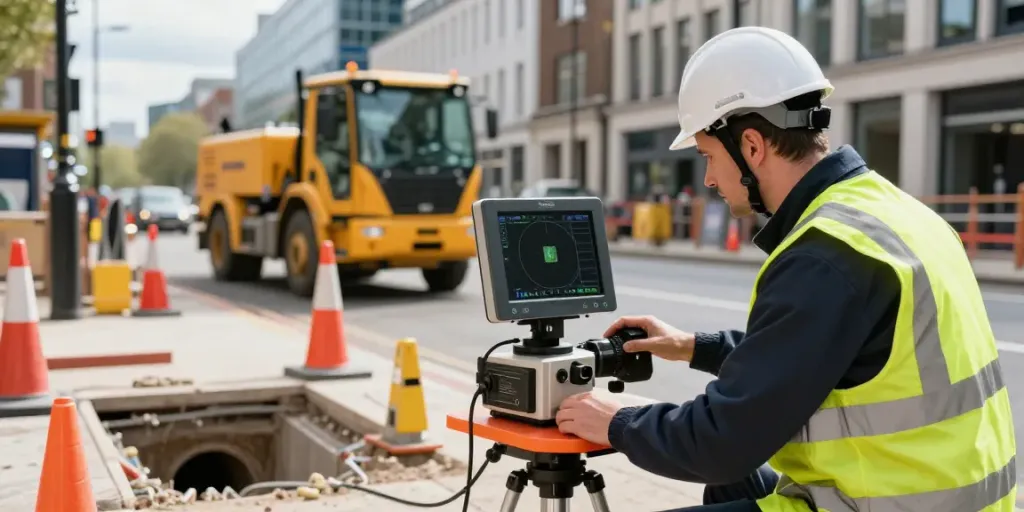
Understanding Buried Services: The Importance of Detection
In a bustling metropolis like London, the underground infrastructure is a complex web of utilities, including gas lines, water mains, electricity cables, and telecommunications. The precise detection of these buried services is crucial for not only the safety of construction and excavation projects but also for the efficient management of urban development. Effective Buried Services Detection London involves modern technologies and methodologies that ensure the protection of both workers and the public while avoiding costly service disruptions.
What are Buried Services and Why They Matter?
Buried services refer to any utility lines or infrastructure that are installed below the ground surface. These can include essential services such as water, gas, electricity, sewage, and telecommunications. Understanding the location and condition of these services is critical, especially in urban areas where many of these services have been in place for decades. Detecting these utilities ensures that construction work is conducted without inadvertently disrupting crucial services, which can lead to hazardous situations and significant financial repercussions.
Common Types of Buried Services Found in London
London’s underground is home to a variety of buried services, including:
- Water Mains: Essential for providing potable water.
- Gas Pipelines: Vital for heating and cooking in residential and commercial buildings.
- Electricity Cables: Necessary for powering homes and businesses.
- Telecommunication Lines: Crucial for internet and phone services.
- Sewage Systems: Important for waste management and sanitation.
Consequences of Neglecting Buried Service Detection
Failure to accurately detect buried services can lead to severe consequences, including:
- Injury Risks: Striking a gas line or electrical cable can result in explosions or electrocution.
- Project Delays: Unexpected utility strikes can halt construction, leading to increased costs and prolonged project timelines.
- Legal Liabilities: Companies may face legal repercussions if they disrupt essential services.
- Environmental Damage: Leaks from damaged pipes can cause soil and water contamination.
Techniques for Effective Buried Services Detection
Ground-Penetrating Radar (GPR) Explained
Ground-penetrating radar (GPR) is a non-invasive technique that uses radar pulses to image the subsurface. It is particularly effective in detecting buried services, as it can reveal the position and depth of various utilities without the need for excavation. GPR provides real-time data, making it a valuable tool during the planning stages of construction projects.
Electromagnetic Locating Methods
Electromagnetic (EM) locating is another prominent technique used to detect underground utilities. This method involves sending electromagnetic signals through the ground, which interact with conductive materials, allowing surveyors to pinpoint their locations. EM methods are especially useful for locating metal pipes and cables.
Comparing Traditional vs. Modern Detection Techniques
While traditional techniques such as visual inspection and trial trenching have been used for decades, they often involve significant disruption and can be unreliable. In contrast, modern methods like GPR and EM locating provide more accurate and efficient results, minimising the risk of damage to underground utilities.
Best Practices for Conducting Buried Services Surveys
Planning Your Survey: Key Considerations
Effective buried services surveys start with comprehensive planning, which includes:
- Conducting background research on the site.
- Consulting utility maps and records.
- Identifying potential hazards and access points.
- Choosing appropriate detection technologies based on site conditions.
Safety Protocols When Detecting Buried Services
Implementing safety protocols is essential during surveys to protect workers and the public. These protocols include:
- Ensuring all personnel are trained on equipment and safety procedures.
- Utilising protective gear when working near potentially hazardous services.
- Establishing clear communication with stakeholders about ongoing works and potential risks.
Using Technology to Enhance Survey Accuracy
Integrating advanced technologies such as drone surveying and 3D mapping can significantly enhance the accuracy of buried services detection. These tools enable surveyors to collect extensive data quickly, providing a detailed view of the subsurface landscape.
Case Studies: Successful Buried Services Detection in London
Notable Projects and Their Challenges
Several high-profile projects in London have successfully utilised modern buried services detection methods, overcoming challenges such as complex urban environments and legacy infrastructure. For instance, during the Crossrail project, advanced GPR technology was employed to avoid existing utilities while laying new tracks, showcasing the importance of precise detection.
Lessons Learned from Real-World Implementations
One crucial lesson from these projects is the need for comprehensive pre-survey planning and real-time communication among teams. Effective collaboration ensures that potential issues are identified early, allowing for quicker resolutions and minimising disruptions.
Impact of Successful Detection on Project Outcomes
Successful detection of buried services leads to smoother project execution, reduced downtime, and significant cost savings. It also enhances safety, demonstrating the importance of investing in quality detection services.
Future Trends in Buried Services Detection for 2026
Emerging Technologies and Innovations
As we look towards 2026, emerging technologies such as artificial intelligence (AI) and machine learning are set to revolutionise the field of buried services detection. These technologies can analyse vast datasets, improving the accuracy of predictions regarding utility locations and conditions.
Regulatory Changes and Their Implications
Regulatory frameworks around construction and excavation are also evolving. Stricter guidelines will necessitate the use of advanced detection technologies to ensure compliance and enhance public safety. Understanding these regulatory changes is vital for businesses operating in this space.
Preparing for the Future of Infrastructure Management
To stay ahead in the industry, companies should invest in training and technology, ensuring that they are equipped to handle the complexities of modern infrastructure management effectively. This proactive approach is essential for minimising risks associated with buried services.
How to Identify Underground Utilities?
Identifying underground utilities involves using a combination of survey techniques, reviewing utility records, and consulting with professionals in the field. While modern technologies such as GPR provide precise data, understanding the historical context and existing infrastructure is equally important.
How Deep Should Utilities Be Buried in the UK?
In the UK, regulations stipulate that utilities should be buried at specific depths to ensure safety and accessibility. Generally, gas pipes should be buried at least 750mm deep, while water mains often require depths of 1.2m. These guidelines help prevent accidental damage during excavation work.
What Equipment is Used for Underground Utility Detection?
The equipment used for detecting underground utilities includes GPR systems, EM locators, and acoustic detectors. Each tool has its specific applications and is chosen based on the site conditions and the types of utilities being surveyed.
What Are the Common Risks of Ignoring Utility Surveys?
Ignoring utility surveys can lead to catastrophic failures, including injuries, service outages, and legal consequences. Awareness and adherence to best practices are essential to mitigate these risks effectively.
How Can Technology Improve Buried Services Detection?
Advancements in technology significantly improve buried services detection by offering better accuracy, efficiency, and safety. Integrating various technologies allows for a more comprehensive understanding of the underground landscape, facilitating more informed decision-making during construction and excavation activities.